Smart Money Concepts
Africa's forex market has grown up fast. A trader in Nairobi, Lagos, or Accra now has the same MetaTrader charts, the same spreads, and often the same brokers as someone trading from London or Singapore. What hasn't kept pace, for a lot of retail traders across the continent, is the thinking behind the trades. Most beginners are still taught to chase indicators — RSI crossovers, moving average pullbacks, candlestick patterns — without ever asking a more useful question: where is the big money actually positioned, and what is it likely to do next?
That question is the starting point of Smart Money Concepts (SMC), and it's arguably a better lens for African traders than the indicator-heavy strategies most of us were taught first.

What Smart Money Concepts Actually Means
Smart Money Concepts is a way of reading price charts that assumes markets are driven by the actions of large institutional participants — banks, hedge funds, and liquidity providers — rather than by retail sentiment. Instead of relying on lagging indicators, SMC traders study:
•Market structure— the sequence of higher highs/higher lows (uptrend) or lower highs/lower lows (downtrend), and the moments where that structure breaks.
•Liquidity zones— price levels where large clusters of stop-losses and pending orders sit, which institutions often target before reversing price.
•Order blocks— the last areas of consolidation before a strong institutional move, treated as zones of potential future interest.
•Fair value gaps (imbalances)— price areas that moved too fast to be efficiently traded, which the market often revisits.
•Break of structure (BOS) and change of character (CHoCH)— signals that a trend is continuing or reversing.
None of this is mystical. It's an attempt to model why price moves the way it does, rather than just describing that it moved.
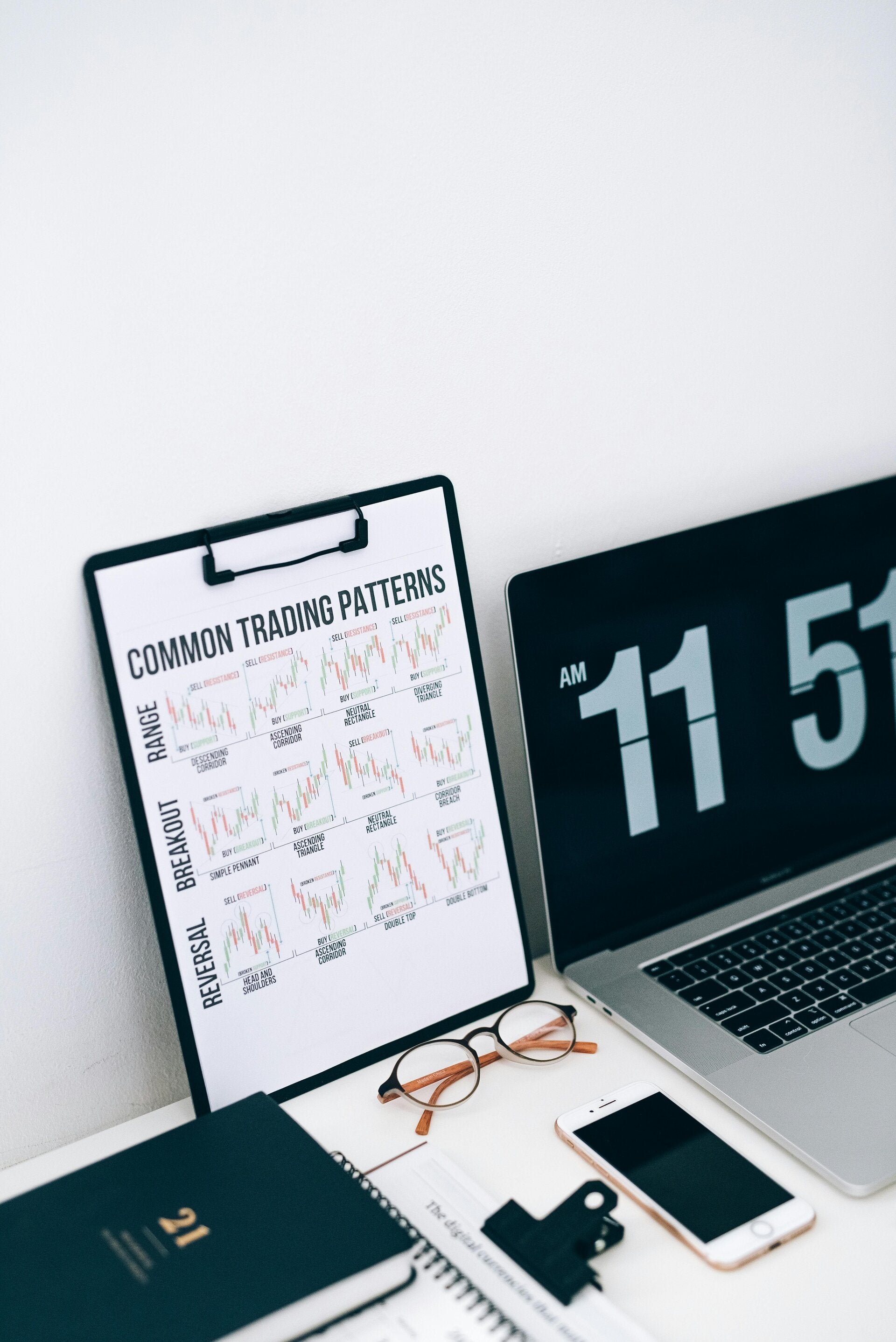
Why This Framework Fits the African Market Specifically
There are a few reasons SMC resonates particularly well for traders operating out of African markets:
1. Liquidity and spread sensitivity. Many African traders operate smaller accounts and trade on brokers where spreads and slippage matter more at the margin. SMC's focus on liquidity zones — where stop-hunts and false breakouts commonly occur — helps traders avoid getting caught on the wrong side of a move that was engineered to trigger retail stop-losses before the "real" move begins.
2. Session-timing advantage. Nairobi, Lagos, and Johannesburg all sit in time zones that overlap meaningfully with the London session and, for parts of the day, the New York session. SMC traders lean heavily on session-based liquidity behavior (Asian session range, London open sweep, New York reversal), and African trading hours line up well for watching these handoffs live rather than trading blind on historical patterns alone.
3. Discipline over signal-chasing. A lot of the retail trading content aimed at African audiences leans on signal groups and copy-trading services. SMC pushes in the opposite direction — it forces a trader to understand structure and reasoning rather than outsourcing decisions to someone else's call. That's a healthier foundation, especially in markets where regulatory protection and dispute resolution for retail traders are still maturing.
4. Capital preservation matters more here. With CMA-regulated brokers in Kenya capping leverage at 1:400 on majors, and many traders working with modest account sizes, a framework built around identifying where risk is concentrated— rather than firing off high-frequency indicator signals — supports more deliberate position sizing and risk management.

A Practical Starting Framework
If you're new to SMC, resist the urge to trade all of it at once. A simple sequence:
1. Identify the higher time-frame trend(daily or 4-hour) using structure — are we making higher highs and higher lows, or the reverse?
2. Mark liquidity pools— obvious swing highs/lows where stop-losses are likely resting.
3. Wait for a liquidity sweep— price briefly pushes past that pool, often triggering retail stops, before reversing.
4. Look for a change of character on a lower time frame (15-minute or 1-hour) confirming the reversal.
5. Enter near the order block or fair value gap left behind by the institutional move, with a stop beyond the recent structure point.
This is a framework for context, not a mechanical signal system. It still requires discretion, patience, and — critically — a risk management plan that assumes some trades will fail.
- #ForexAfrica
- #SmartMoneyConcepts
- #ForexKenya

The Risk Side of the Story
Smart Money Concepts is a way of reading the market more critically. It is not a guarantee of profit, and it doesn't remove the underlying risks of leveraged forex trading — including the risk of losing more than your initial deposit. Framework quality doesn't substitute for capital discipline: risking a small, fixed percentage of an account per trade matters more to long-term survival than which analytical model you use to find entries.
Traders in Kenya and across the region should also stick to brokers licensed by their local regulator (in Kenya, the Capital Markets Authority) or by internationally recognized bodies, regardless of which strategy they trade with. A good analytical framework paired with an unregulated or poorly capitalized broker still leaves you exposed to risks that have nothing to do with your trading skill.
- #SmartMoneyConcepts
- #SMCTrading
- #ForexTrading
- #ForexAfrica
- #ForexKenya

The Bigger Picture
"Investing smarter" in Africa's growing forex market isn't really about finding a secret strategy institutions don't want retail traders to know. It's about closing the gap between how retail traders are taught to read charts and how the market actually moves. Smart Money Concepts won't make trading risk-free, but it reframes the question from "what does this indicator say?"to "what would a large, well-capitalized participant be doing here?"— and for traders working with the account sizes and market access typical across African markets, that shift in thinking is often worth more than any single new tool.
This article is for educational purposes and does not constitute financial advice. Forex trading carries a high level of risk and is not suitable for all investors.